

The “Mid-Morning Crash” Fix
A 2-minute check that helps you adjust breakfast
There’s a moment I hear about a lot from clients.
It’s around 10:30am.
You’ve already had breakfast… and yet, you’re hungry again.
And not just a little hungry distracted, thinking about food, wondering what’s wrong.
Most people immediately make it mean something about themselves:
“Why am I hungry already? I just ate.”
So, they try to ignore it.
They drink more coffee.
They push through.
And then spend the next hour mentally negotiating with themselves about snacks.
But here’s the shift I want you to make this week:
Your 10:30 hunger isn’t a failure it’s feedback.
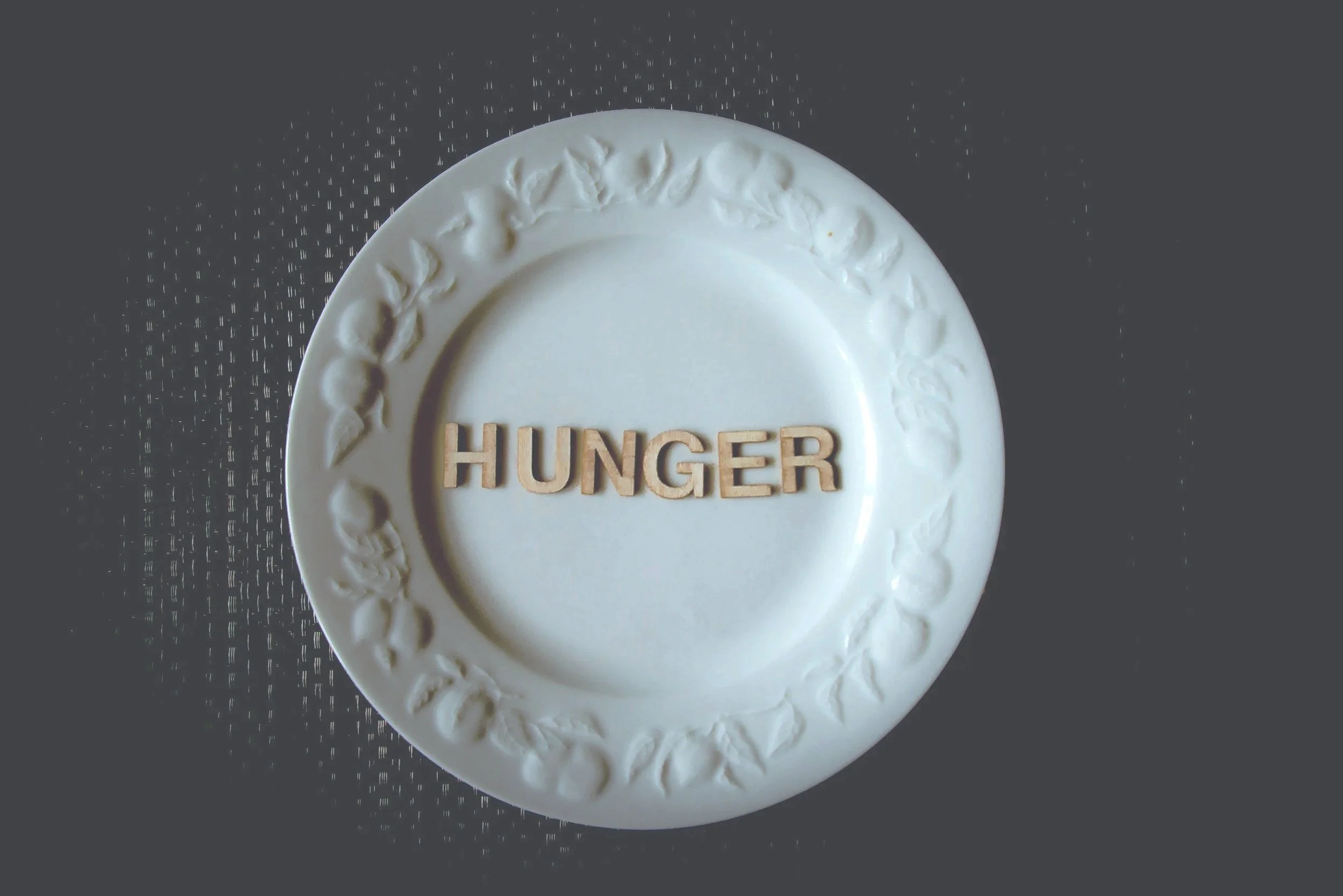
The 10:30 hunger clue
Hunger is information.
If you’re hungry again within 1–2 hours of eating, it’s usually not random. It’s your body telling you something about that meal.
Most commonly, breakfast was:
· Too light on protein
· Lacking fibre
· A bit too small for the morning you’re having
· Or mostly quick-digesting carbs
Protein, fibre, and a little fat slow digestion and help food stay with you longer. That means steadier energy, better focus, and less of that urgent “I need something now” feeling.

It’s not always just food
Sometimes the driver isn’t just what you ate it’s what’s going on around you.
Stress, a busy morning, feeling overwhelmed or flat… all of that can increase your need for quick energy.
Your brain will naturally push you toward something fast and comforting.
That’s not lack of discipline that’s biology.
But here’s the part people don’t realise:
Food can support your mood just as much as mood affects your food choices.
When blood sugar is more stable, you’re less likely to feel:
· Irritable
· Shaky
· Foggy or unable to focus
And when you include things like protein and plant foods at breakfast, you’re also giving your body key nutrients it uses for brain function, B vitamins, iron, zinc, and more (with healthy fats like omega-3s supporting this across the day).
It won’t remove life stress.
But it can make you far more resilient to it.
The simple fix
You don’t need a brand-new breakfast.
You just need a small adjustment.
Think of it like turning one dial.
Here are your four “levers”:
· Increase protein → add an extra egg, more yoghurt, or protein to your smoothie
· Add fibre → berries, chia seeds, vegetables, or wholegrain toast
· Add staying power → a little healthy fat like nuts, avocado, or olive oil
· Eat enough → sometimes it’s simply not quite enough food
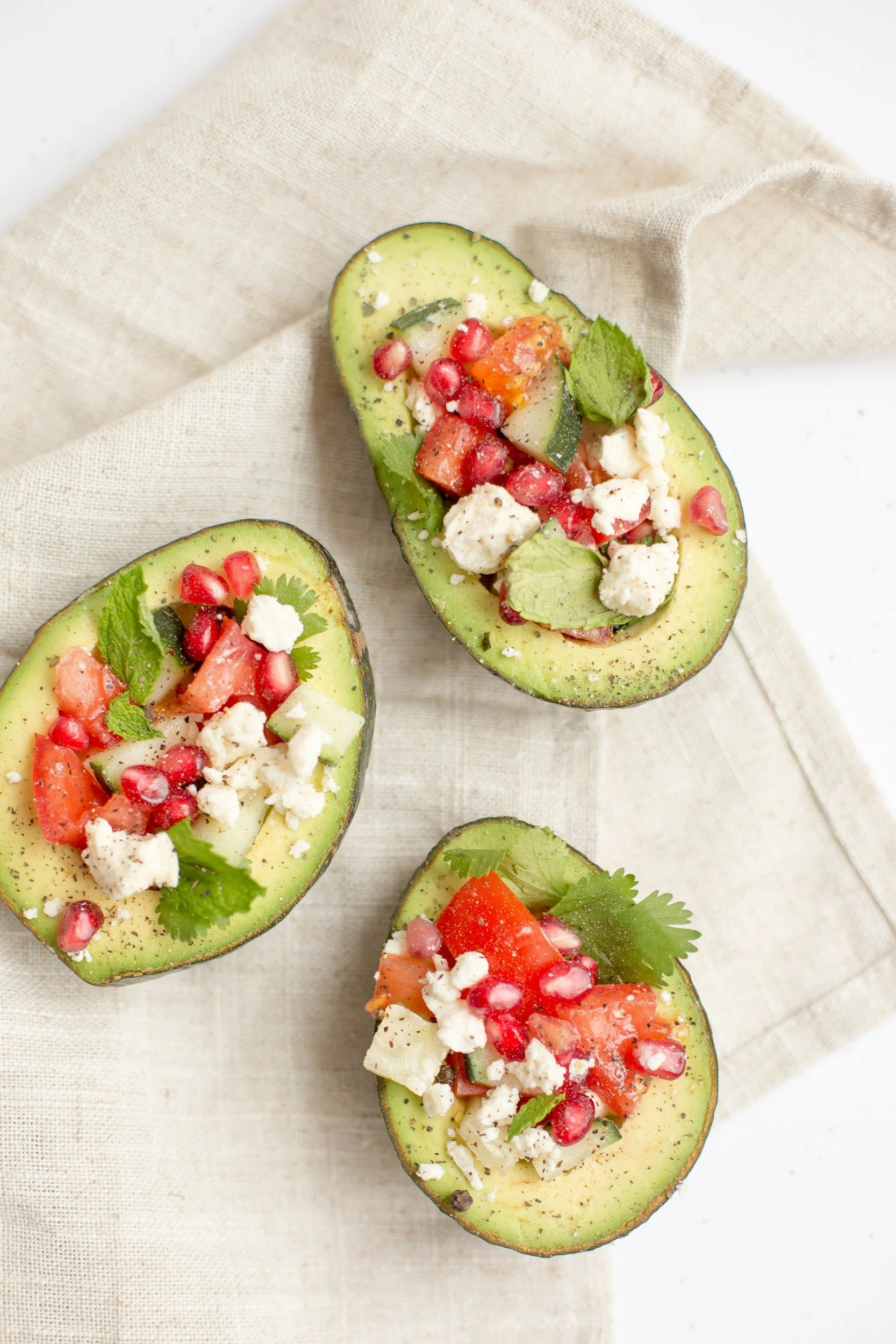
Your experiment this week
Pick one lever and test it for 3 days.
That’s it. Don’t overthink. No need to be perfect.
Just notice:
How do you feel at 10:30?
Are you still hungry? More settled? More focused?
If you want a little help refining it, this is exactly the kind of thing I guide my clients through small tweaks that actually make a difference in real life. In fact there’s a whole psychology on it I teach in my Nourish & Balance Program.
If you try the hack this week, just notice what changes.
Because when your morning holds, everything else gets a little easier.
If you have any questions or just want to say hi, feel free to send me an email, I’m always keen to chat. amanda@nutritional-balance.com.au
Ready to Take the Next Step?
If you’re looking for ways to bring more balance to your life, my Meal Plans, Nutrition Guides and Programs could be a great resource. Whether you're seeking easy, balanced recipes, or a more guided approach, I have options to support your journey.
Click here to explore my Meal Plans, Nutrition Guides and Programs. Your journey to better health starts now!
Balancing lifestyle with nutrition for a happier, healthier life!
Amanda Pittas - Clinical Nutritionist
Adv. Diploma Nutritional Medicine
A member of the Australian Traditional Medicine Society
Disclaimer
The information provided in this blog is intended for your general knowledge only and is not a substitute for medical advice or treatment for specific medical conditions. None of Nutritional Balance services shall be used to diagnose or treat any health problem or disease. We cannot and do not provide medical advice. You should seek prompt medical care for any specific health issues and consult your physician before altering your diet. The information provided in this blog should not be used in place of a consultation with your physician or other health care provider. We do not recommend the self-management of health problems. Should you have any healthcare-related questions, please consult your physician or other health care provider promptly. You should never disregard medical advice or delay in seeking it because of the information